We restore land relationships with and for communities working to free us all from the chains of white supremacy, colonialism, capitalism, patriarchy, and other systems of oppression.

Land is life, and therefore it is also power. Access to land shapes our abilities to sustain ourselves and our communities, to live secure and stable lives, to build cultures rooted in place, to grow and hold collective wealth, and to learn to live responsibly with the ecologies that make our lives possible. To lose the land, or to be blocked from access to it, is to lose these forms of power. “Land,” said Malcolm X, “is the basis of freedom, justice, and equality.” It is also, when held unequally and for the benefit of only the few, the basis of tyranny, oppression, and exploitation.

  • In Wabanakik/Maine, four families (Malone, Irving, and Pingree), plus the Wyerhauser corporation, own 17% of the entire state (3.8 million acres).

  • More than 40% of the state is owned by multinational corporations, billionaires, and large investment firms.

  • Wabanaki Nations, in contrast, hold a mere 1% of their original homeland, and much of this is held “in trust” by the federal government.

  • Non-Wabanaki people of color in Maine, representing more than 7% of the state’s population (nearly 100,000 people), own less than 0.1% of the state’s land.

  • Farmers of color operate farms on only 1% of Maine’s farmland, despite representing the majority of the state’s farmworkers.

  • More than 27% of all Maine people are landless (they rent their homes), and many with land are buried in weighty debt (the land is mostly owned by the bank).

Land is life, safety, and sustenance. Who has access to these necessities as the world grows more and more uncertain and dangerous? Who is able to build and shape the groundwork that we all need in order to survive and thrive? We work to ensure that land reconnection is land justice.
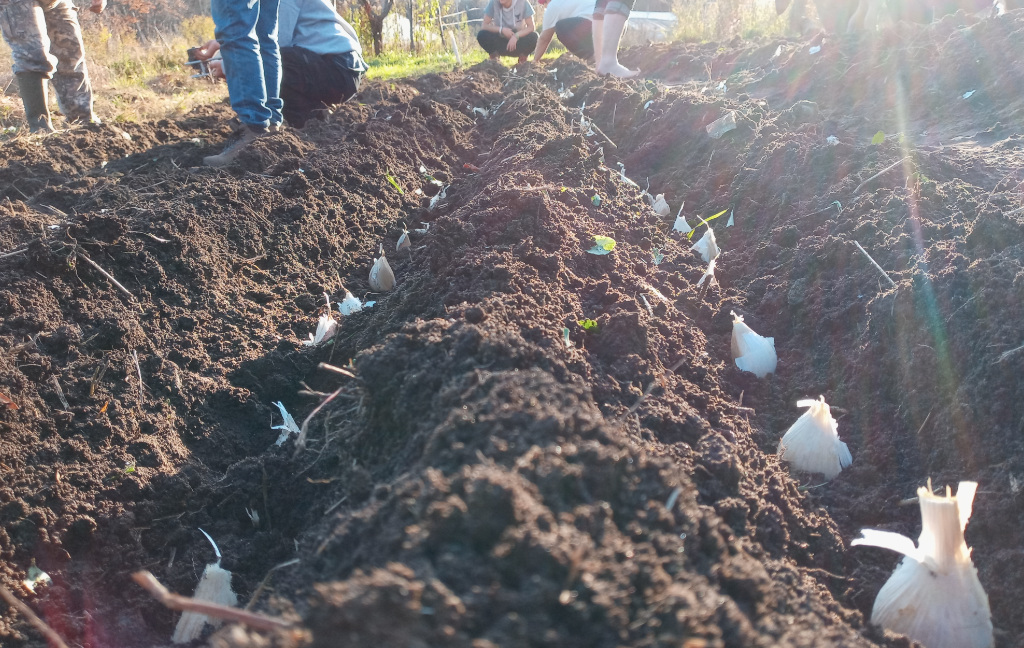
Photo of people planting garlic

Pathways for Land Reconnection

  • Land return. At every opportunity, we prioritize the return of land to Wabanaki Nations and communities. Read more about this here.


  • Matching land stewards with commoned land. When we welcome new land into the commons, we strive to match this land with long-term land stewards. We prioritize groups and projects that are led by Black, brown, Indigenous, and other people who have been systematically dispossessed of secure land tenure, and that are committed to the work of collective liberation.

  • Partnering to find and new land and bring it into the commons. When current land commons aren’t an appropriate match for the needs of a frontline partner organization, and when our capacity allows, we work together to raise money, find the right land (and buildings), and purchase them into the commons. For example, we’re currently working with Presente! Maine to raise funds for the purchase of a permanent community center for Afro-Indigenous and Latinx mutual aid in Portland.

  • Supporting the flourishing of current land stewards. Our land stewards collectively provide many different pathways for individuals, families, and organizations to reconnect with the land– whether by participating in community work days, organizing events on the land, becoming members of a cooperative business or mutual aid projects, or joining in a cooperative housing arrangement. As we support our land stewards in their work, they are able to more effectively grow and sustain the capacity to welcome new community members into relationships with the land and with each other.